Active Seniors Love the Great Outdoors
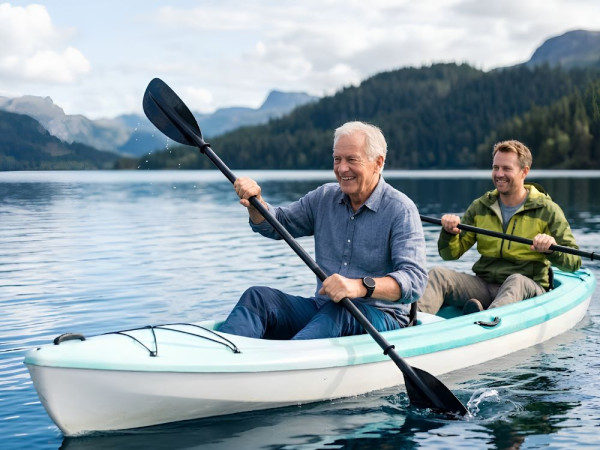
What's your father doing on a Tuesday afternoon in September while you're at the office? For a lot of families, the answer comes down to one word: outside. Active seniors are piling on the group outings and the trails, and they won't have their week reduced to apartment viewings. That energy is also changing the nature of a caregiver's worries, less about the day to day, more focused on the unexpected out on the trail.
Why Do Accessible Trails Appeal So Much to Active Seniors?
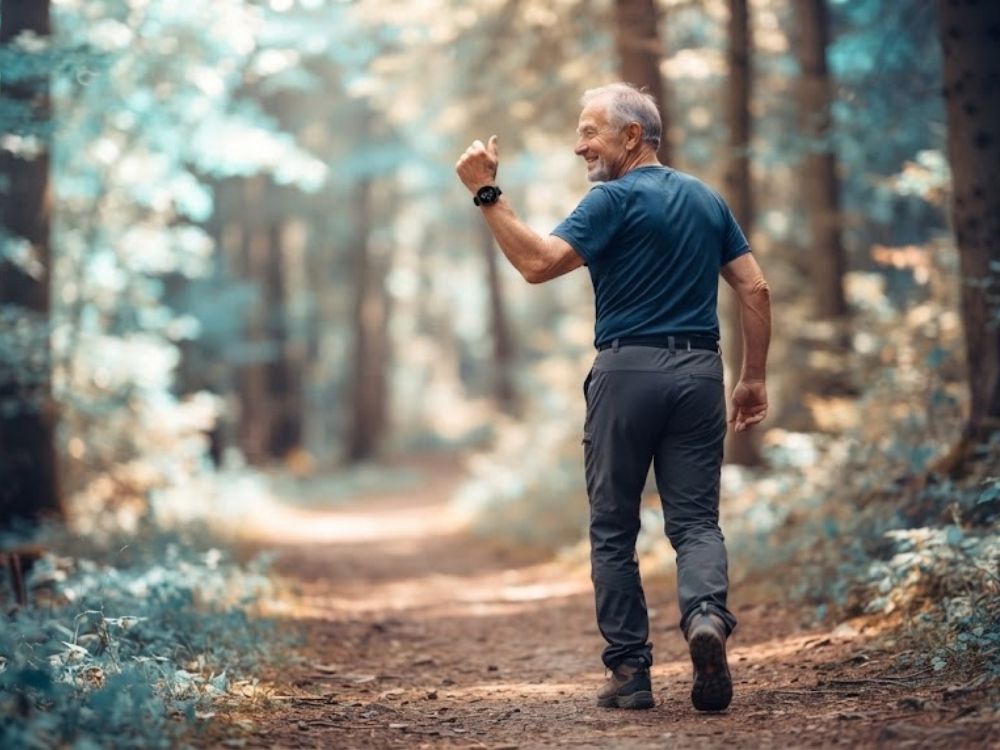
Reggie is seventy two and has a theory about park benches. There's one every quarter mile on his favorite trail, and he knows every single one by its view. The one by the creek, for the curious types. The one under the hundred year old maple, for the indecisive ones. Last year, he walked alone with his dog. This year, he joined a Wednesday morning group, twelve people, a shared pace, and an unspoken rule: nobody walks ahead, nobody lags too far behind.
Accessible trails are gaining popularity among aging adults because they remove the main obstacle to outdoor activity: the fear of not being able to keep up. A well marked trail, with a stable surface and little elevation change, lets you walk for a long stretch without straining a fragile joint. Still, the appeal isn't just about physical ease. Walking in a group turns an outing into a social occasion, which does as much for morale as it does for fitness. On top of that, several Canadian municipalities now map their trails by difficulty level.
How Do Group Outings Change the Safety Equation?
This year, Reggie also picked up a new habit. Before every outing, he slips a small gray device his daughter gave him for Christmas into his pocket. He's never had to use it. He sometimes forgets he's even wearing it, which, he says, is exactly the point. The Wednesday group almost never talks about that kind of thing. Except once, when Gail told the story of her fall over a tree root, before she joined the club.
A walk among friends already cuts down a good share of the risk: someone notices a hesitant step, someone slows the pace, someone knows the way back. Even so, the unexpected can still happen even in a group, an ankle that turns the wrong way, a trail that veers off out of cell signal range. That's why a discreetly worn emergency button rounds out the group's watchfulness without replacing it. It's not about keeping tabs on active retirees, it's about giving them a simple way to call for help if the group itself isn't enough.
SmartSAFE, the Quiet Companion for Every Outing
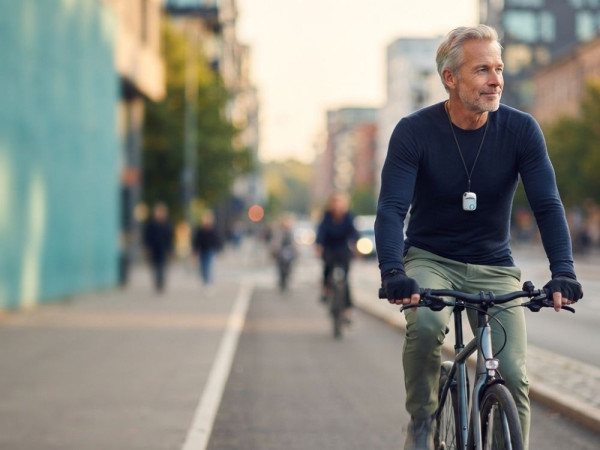
Next generation medical alert systems are nothing like the bulky gadget people picture. SmartSAFE comes as a lightweight pendant or a wrist worn watch, is water resistant, automatically detects a fall, and lets you speak directly to a response team, anywhere in Canada, without having to dig a smartphone out of a bag. For an older adult who's out on the trails and on the bike as often as not, it's a simple way to keep their independence intact while knowing help is still within reach.