Why Do Seniors Always Feel Cold?
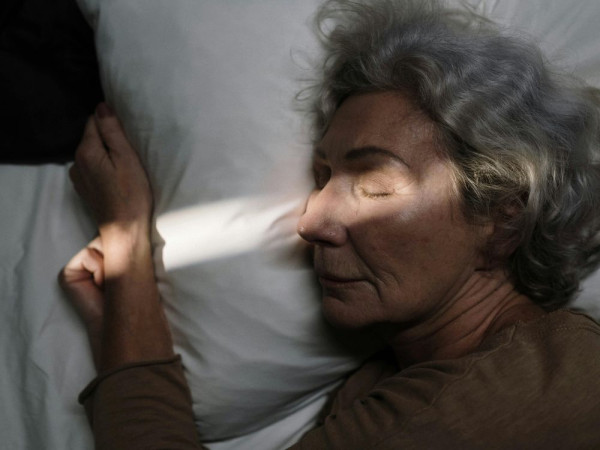
It’s 22°C in the room, yet your grandmother, bundled up in three layers of sweaters, is still shivering. You, in a t-shirt, wonder how this is possible. Is it just an impression, or do seniors really feel colder than younger people? Spoiler: it’s not just in their heads—there are physiological reasons behind it.
A body that cools down with age
As the years go by, our bodies change. Metabolism can slow down. Muscle mass decreases, and changes in body fat can affect the body's ability to retain heat. The result: older adults may generate less body heat and lose it more easily. Add to this changes in blood circulation, especially in the hands and feet, and you can get that persistent feeling of being cold.
The body's response to temperature can also change with age. Older adults may be less sensitive to changes in temperature or may have more difficulty regulating their body temperature. This can make prolonged exposure to cold more dangerous and increase the risk of hypothermia.
Staying warm without risks: the daily mission
So, how do you help an older person stay comfortably warm? The key is maintaining a comfortable and stable environment. Several layers of light clothing can be more effective than one heavy layer, making it easier to adjust to changes in temperature throughout the day.
And what about food? A warm beverage, soup, or a nutritious meal can help provide comfort on a cold day. A little physical activity, such as standing up and walking for a few minutes, can also help improve circulation. Even simple arm and leg movements while sitting can help keep the body active.
When cold becomes a danger
Feeling cold is one thing. But when it becomes dangerous, you need to act quickly. A body temperature below 35°C is considered hypothermia. Uncontrollable shivering, confusion, unusual drowsiness, or extreme fatigue can be warning signs. Older adults may also be less aware of how cold they are, making it particularly important for family members and caregivers to recognize the signs.
If hypothermia is suspected, the person should be warmed gradually and medical assistance should be sought. Avoid attempting to warm the person too quickly with very hot baths or direct intense heat. Severe hypothermia is a medical emergency and requires immediate attention.
Technology for well-being with SecurMEDIC™
Today, technology can provide additional protection for seniors living independently. Medical alert systems can provide quick access to assistance in an emergency, while connected monitoring technologies can help identify potentially unsafe conditions in the home. The goal is simple: helping seniors remain comfortable, independent, and safe at home.
This is where SecurMEDIC™ can help. SmartSAFE™ solutions provide seniors with quick access to assistance when they need it, while compatible environmental monitoring technologies can help detect potentially unsafe temperature conditions in the home. Together, these technologies provide an added layer of protection and peace of mind for seniors and their families.