Going Out Well Covered: When Your Medications Change the Game
Winter coat, toque, scarf, mittens. We all know the routine before going out in extreme cold. Yet, some seniors take medications that silently transform their relationship with winter. These daily pills for the heart or hypertension do their job wonderfully indoors, but outside, when the mercury drops below -15°C, they can accelerate frostbite surprisingly quickly. How do you know if your medications make you more vulnerable to the cold? And above all, how can you continue to live independently and go out whenever you please, while protecting your health?
Why do certain medications make the cold more dangerous?
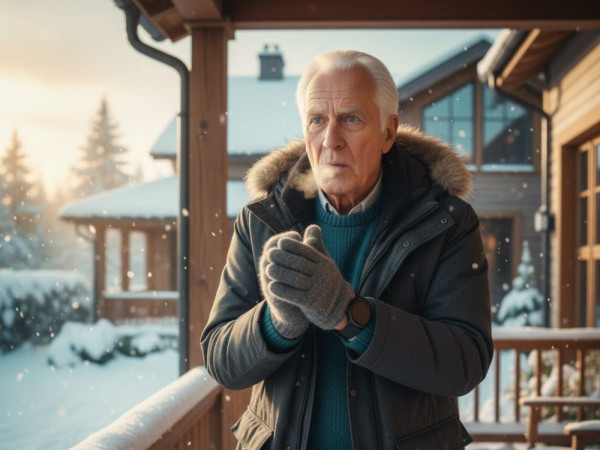
Last winter, Harold had been taking his bisoprolol every morning for three years for his hypertension. One freezing Tuesday in February, he went out to get his mail as usual. Five minutes outside, no more. When he came back in, his fingers were white and completely numb. It took twenty minutes by the radiator for sensation to return. His doctor then explained: beta-blockers slow the heart and reduce blood circulation to the extremities. Result? His hands, feet, nose and ears now froze two to three times faster than before.
Beta-blockers like bisoprolol, atenolol or nebivolol are essential for controlling blood pressure and protecting the heart. However, they reduce blood flow to the body's extremities. In cold weather, this decreased circulation can cause frostbite in just a few minutes, where a person without this medication would have a much longer safety margin.
How to adapt your winter routine when taking these medications?
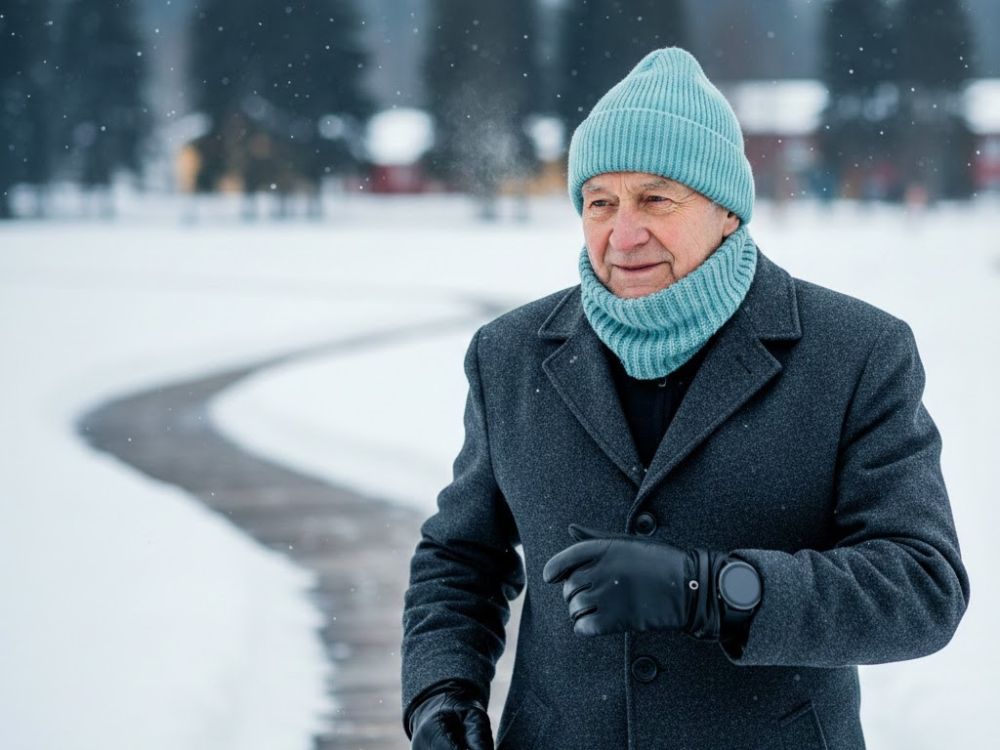
This year, Harold had completely rethought his winter outings. His ordinary mittens had been replaced with merino wool-lined gloves, and he now wore a neck warmer that covered his nose. For his errands, he waited for milder days or asked his neighbor to pick up his mail on extremely cold days. When he really did go out, he limited his time outside to ten minutes maximum and always checked his extremities when coming back in. His doctor had also advised him to constantly move his fingers and toes to stimulate circulation.
Knowing the side effects of your medications allows you to intelligently adapt your habits without sacrificing your independence. Wearing superior quality thermal clothing becomes a medical necessity, not just simple comfort. Additionally, planning your outings according to the weather and limiting time exposed to the cold effectively protects against frostbite.
Can you live alone and go out confidently despite these risks?
For next year, Harold would continue living in his house, exactly as he always had. He would go out when he felt like it, but with appropriate precautions. That small device on his wrist gave him that extra confidence. If he ever fell on an icy patch or felt unwell during an outing, help would come quickly. His children slept peacefully knowing their father maintained his independence without taking unnecessary risks.
SecurMEDIC™ understands that living independently means continuing your activities despite health challenges. The SmartSAFE PLUS™ accompanies seniors on their winter outings: automatic fall detection if you slip on ice, SOS button accessible even with thick gloves, precise GPS location to guide rescuers quickly, and 24/7 assistance watching over you. Because taking medications for your heart shouldn't prevent you from going out. Just encourage you to do it smartly, well covered, and safely.