Let's Talk Frankly About Falls: What We'd Rather Not Discuss
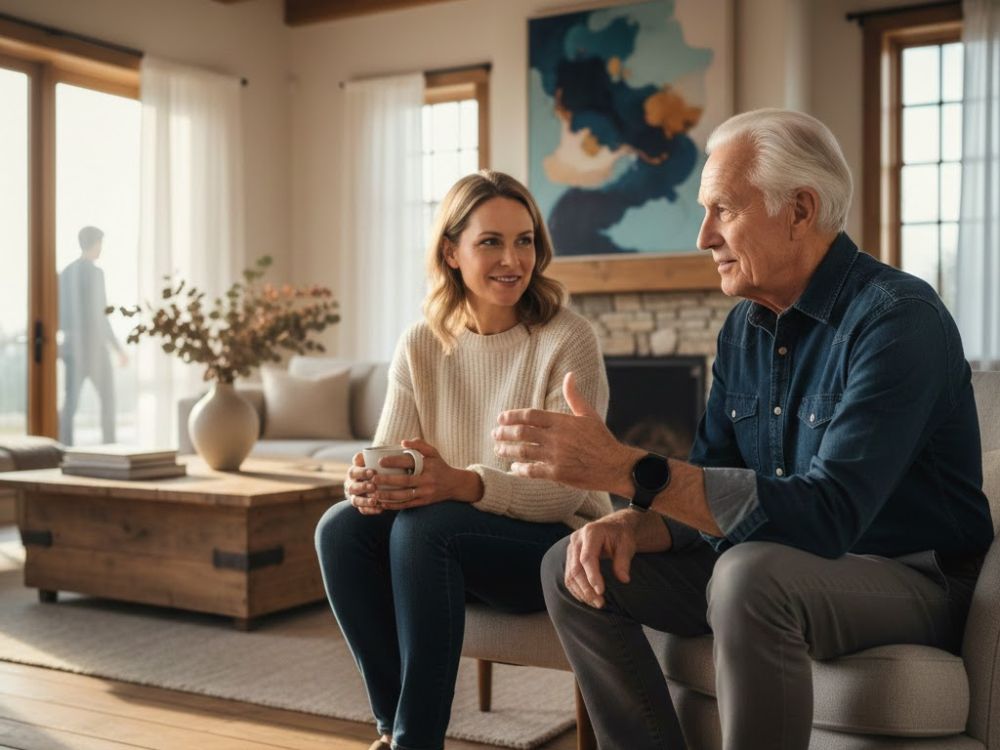
Nobody likes to address this subject. Children beat around the bush for weeks before daring to mention "the conversation". Parents react with a mixture of irritation and revolt: "I'm not disabled, stop treating me like a child!" Yet every winter, emergency rooms fill up with seniors who have fallen on ice. Some get away with bruises, others with a hip fracture that changes their life forever. Do we really have to wait for an accident to happen before talking about it? Can we address this difficult subject without infantilizing, without dramatizing, but without turning a blind eye either?
Why is it so difficult to have this conversation with our parents?
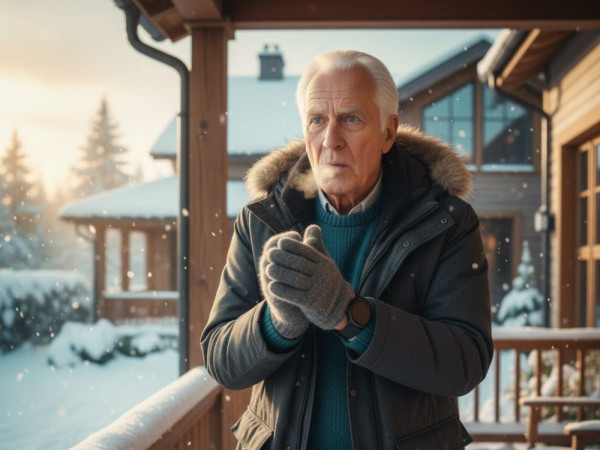
Last winter, Catherine had tried to broach the subject with her father Robert, 76, who had been living alone since his wife's passing. "Dad, I saw that there are safety devices now..." He had cut her off immediately: "I'm not senile, Catherine. I've been going out for 70 years, I think I know how to walk on a sidewalk." The conversation had ended in tense silence. Three weeks later, Robert had slipped getting out of his car. Nothing serious, just a good scare and a sprained wrist. But Catherine couldn't sleep at night anymore.
Talking about fall risks directly touches on autonomy and dignity. For a parent, accepting the need for protection feels like admitting a decline they don't necessarily feel in daily life. Moreover, this conversation forces children to confront their parents' vulnerability, which generates anxiety and awkwardness in the approach.
Can common medications really increase the risks?
This year, Robert had agreed to discuss it with his doctor after his fall. He had been taking furosemide for his swollen legs for two years. The doctor had explained something he was completely unaware of: diuretics made him urinate more, which dehydrated his body more quickly in winter, even without him noticing. His blood became thicker, his blood pressure could drop suddenly when he got up too quickly or went out in the cold. The result? Dizziness, vertigo, and a multiplied risk of falling, especially on slippery surfaces.
Diuretics like Lasix, hydrochlorothiazide, or spironolactone are essential for managing heart failure and edema. However, they increase winter dehydration that seniors don't always perceive. Blood pressure that suddenly drops when standing up or going outside causes fainting spells that lead directly to falls, particularly dangerous on ice.
How to protect without controlling, reassure without infantilizing?
For next year, Robert had found his compromise. He kept his complete autonomy, went out when he wanted, lived exactly as before. Catherine had stopped calling three times a day to check. The difference? That small device Robert now wore on his wrist. Not a bulky gadget, just a discreet watch he even forgot he was wearing. The day he slipped again while clearing snow from his car, the SOS button was there. Catherine had been notified instantly, and Robert appreciated not having to search for his phone in the snow.
SecurMEDIC™ understands that the conversation about falls is delicate but necessary. The SmartSAFE PLUS™ offers this protection without suffocating surveillance: automatic fall detection even when the person is alone, discreet SOS button to maintain control, GPS tracking that reassures loved ones without turning them into watchdogs, and 24/7 assistance. Because you can live autonomously AND safely. Because no one should have to choose between their freedom and their loved ones' peace of mind.