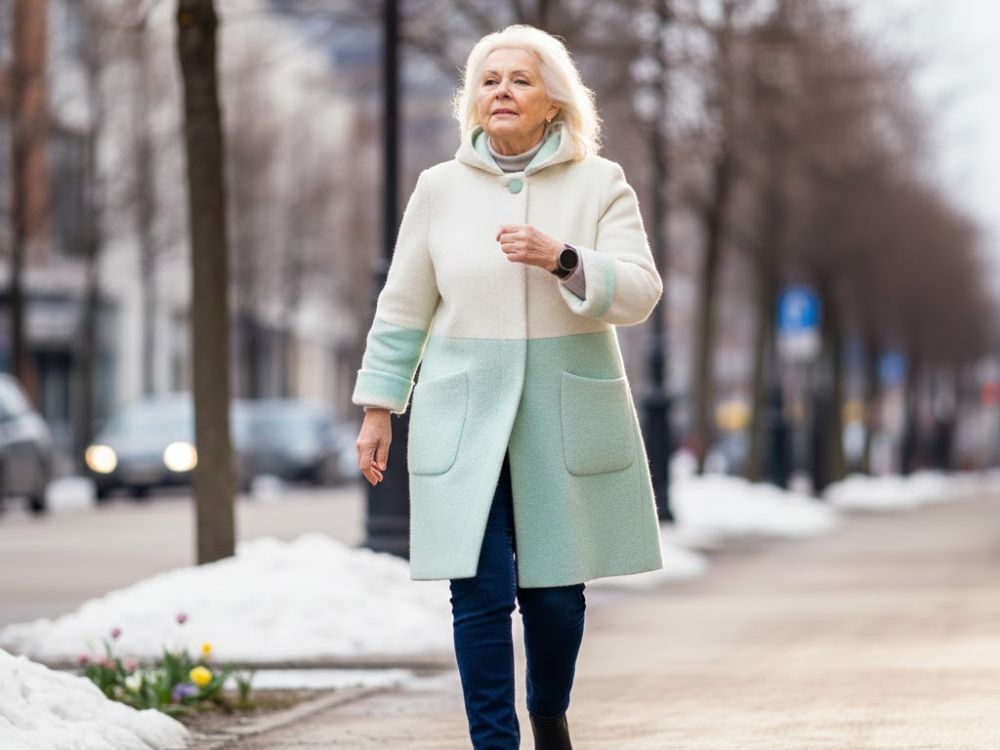
March sunshine beats any vitamin supplement
The curtains open onto a different light. Warmer, more golden, longer-lasting. March finally brings those rays of sunshine that have been sorely missed since November. For many seniors, the Quebec winter weighs heavy: endless nights, lack of energy, up-and-down moods. Yet this simple natural light making its return holds unsuspected powers over our physical and mental health. Do we really need to wait until May to enjoy it? How can March sunshine transform our well-being after months of hibernation? And most importantly, how do we safely get out and enjoy these first rays?
Is sunshine vitamin D truly better than a supplement?
Last year, Lucille spent her winter days shut inside her apartment at the seniors' residence. The windows stayed closed, the curtains drawn to keep in the warmth. When March arrived, her doctor had noticed that despite her vitamin D supplements, she still lacked energy and her bones seemed more fragile. He suggested something simple: go outside and get 20 minutes of sun exposure each morning or afternoon. Lucille began taking her coffee on the sunny balcony, face turned toward the light. Within a few weeks, she was sleeping better and feeling stronger.
What Lucille was discovering was no coincidence. Moderate exposure to spring sunshine naturally produces vitamin D, strengthening bones and preventing osteoporosis, which dramatically increases the risk of fractures from falls. That same light also stimulates the production of serotonin, the happiness hormone, which explains why her mood had improved. After Quebec's long winter, these free rays become a powerful natural medicine.
Can spring really improve our sleep and anxiety?
This year, Lucille pushed the experiment further. Every sunny afternoon, she walked to the nearby park where the first daffodils were timidly peeking through. She sat on a bench, watched the buds on the trees, breathed in the milder air. Sometimes she ran into neighbours who offered her tulips from their garden. Come evening, she fell asleep easily, without the insomnia that had plagued her all winter. That diffuse anxiety that had followed her for months gradually faded away.
This profound transformation had a scientific explanation. Natural light regulates the body's internal clock, improving sleep quality and significantly reducing the anxiety and seasonal depression that are common among seniors after winter. Moreover, studies show that simply giving or receiving flowers reduces low mood and anxiety, making springtime strolls in the park doubly beneficial for mental health.
Can you really enjoy spring without worry?
For next year, Lucille was already planning her spring outings. Perhaps she would join her residence's walking club, or visit the botanical gardens as soon as they opened. What made all these outings possible now was the small, discreet device she wore on her wrist. March sidewalks remained unpredictable: slushy snow in the morning, ice in the evening, treacherous puddles. If she slipped during her park walk or fell while admiring the first flowers, help would arrive quickly. Her children were now encouraging her daily outings instead of worrying.
SecurMEDIC™ understands that spring invites you to go out after months of winter isolation. The SmartSAFE PLUS™ is with you on every sunny outing: automatic fall detection on still-slippery sidewalks, an SOS button accessible at all times, precise GPS location even in large parks, and 24/7 assistance. Because enjoying the March sun, breathing in the spring air, and admiring the first flowers should never be held back by the fear of falling. Just lived fully, safely, and with complete independence.