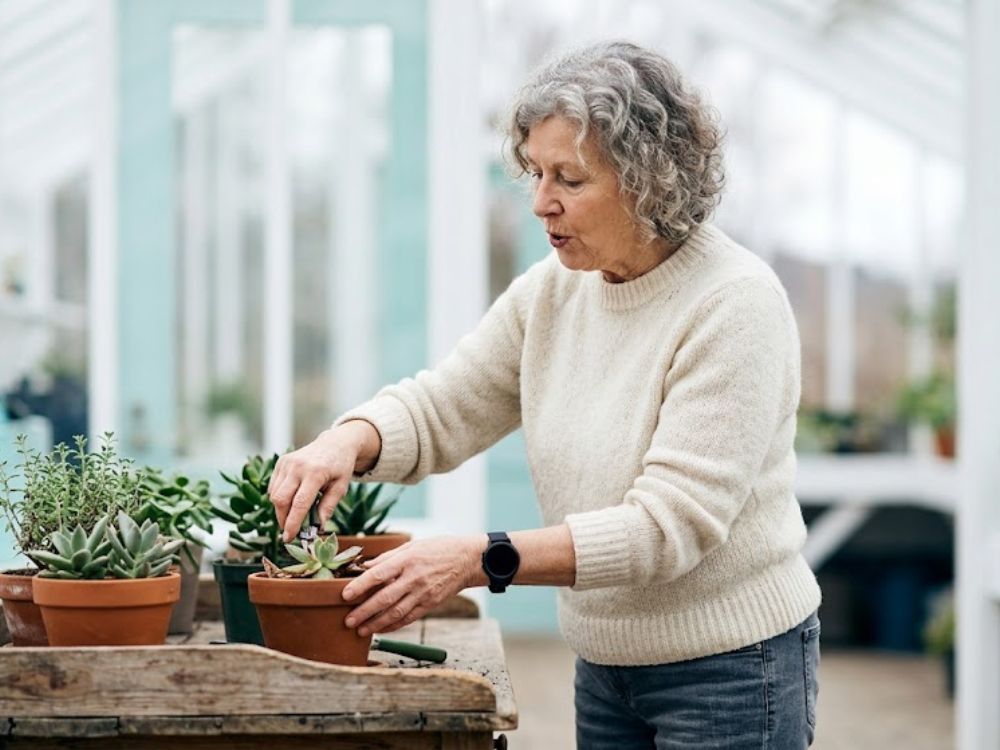
Should Seniors Who Garden Alone in Canada Have a Panic Button?
May is back, and with it that stubborn urge to put your hands in the still-cold earth. Experienced gardeners know it well: the vegetable garden gets ready long before the last frost. Past sixty-five, most people garden better than they did at forty, because they've learned patience, crop rotation, the rhythm of the soil. There's one question, though, that sometimes goes unasked. When you're digging alone behind the house at three in the afternoon, have you planned for sudden fatigue or heat exhaustion?
Which Seeds to Start in May When You Have Many Springs Behind You?
Margaret is seventy-one. She lives in a suburb of Ottawa, in a slightly older house with a red door she repainted last summer. The previous fall, she prepared her raised bed using a method passed down from her Scottish grandmother. A layer of dead leaves, a layer of wood ash, a little coffee grounds kept in a jam jar. Her neighbours found it peculiar. Margaret, drawing on a lifetime of experience, knows she'll have beautiful results.
In April, under our latitudes, long-season crops like tomatoes and peppers are started indoors. These seedlings need six to eight weeks before being transplanted outside, which typically happens after Victoria Day. For direct sowing in open ground, you wait until the soil reaches ten degrees Celsius at depth. Radishes, for their part, handle the spring chill just fine. A well-planned kitchen garden can yield its first harvests as early as June. Seasoned senior gardeners have a clear advantage over beginners: they know their microclimate, their sun exposure, the character of their soil. That accumulated memory is worth more than any gardening guide on the market.
How Does an Emergency Button Change Outdoor Solo Gardening?
Summer arrived late this year. Margaret planted her peas earlier than expected anyway. The soil warmed up quickly at times. Her daughter gave her a small round device she wears around her neck, under her wool sweater. Margaret accepted it with a shrug. She says it's to make her daughter happy. The truth is, she tried it in secret once, just to see. A calm voice answered. She found it rather clever, then amusing, and finally, practical.
Outdoor gardening fully engages the body: kneeling, lifting, prolonged sun exposure, handling sharp tools. Dehydration sets in faster after sixty, because the sensation of thirst diminishes with age. A slip on soft ground, dizziness after a long bent-over stretch, an unexpected heat spike in May. These things happen without warning. A call-for-help device worn as a pendant or watch makes it possible to garden alone without needing someone watching through a window. And yet most active older adults only think about it after a first incident. Thinking ahead saves time, and a great deal of peace of mind.
SecurMEDIC's SmartSAFE Supports Experienced Gardeners Across Canada
The SecurMEDIC SmartSAFE is a lightweight pendant or watch, water-resistant and built to handle damp soil, combining advanced GPS, automatic fall detection, and two-way voice communication. No smartphone required, no long-term contract, free delivery anywhere in Canada. Whether the wearer is gardening at the back of their yard in Laval, Toronto, or Sherbrooke, the support team is available twenty-four hours a day. The SOS button depresses with a thumb press, even through gardening gloves. Visit securmedic.com/en to choose the right model.