What 30 Minutes of Walking Really Does to the Body of Seniors
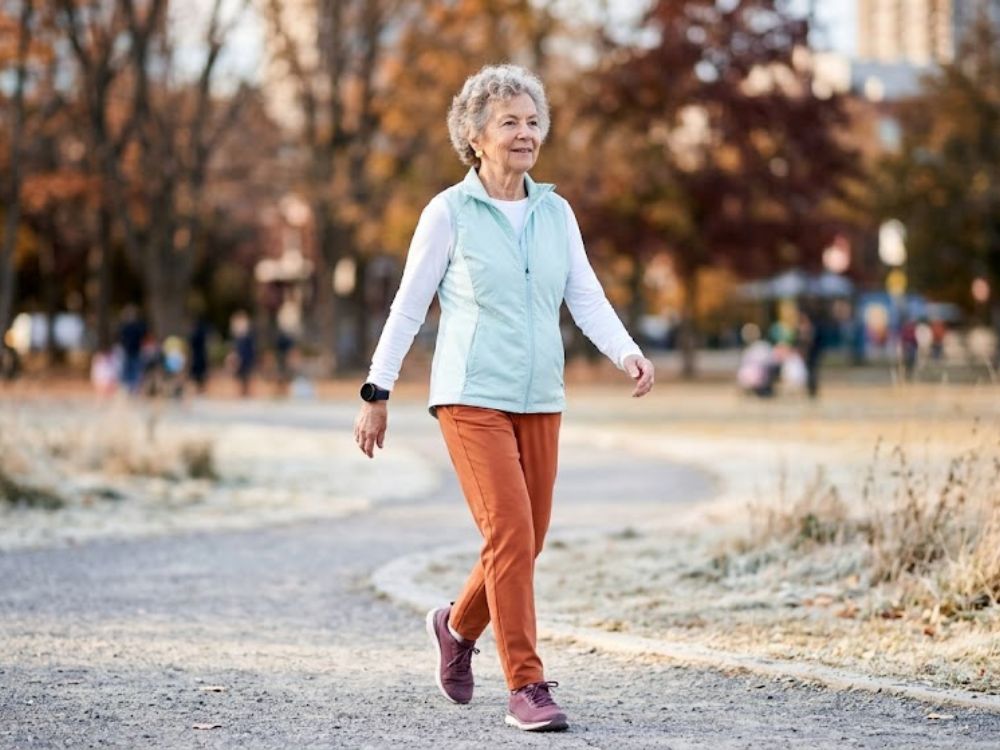
Picture Lorraine. Every morning at 7:15, she puts on the same pair of worn-out sneakers, grabs her reusable coffee cup, and heads out the door before the neighborhood even wakes up. She does not think of it as exercise. She thinks of it as the best part of her day. For millions of aging Canadians who move their bodies daily, the results go far beyond mood. The research is remarkably specific, and it is worth knowing exactly what is happening inside the body when that first step hits the pavement.
What does daily walking actually do to the cardiovascular system after 65?
Lorraine's cardiologist once told her that movement is the only medication with no side effects and no co-pay. He was not wrong. A 30-minute moderate-paced walk triggers a measurable drop in resting blood pressure, typically between 4 and 9 mmHg, which is comparable to the effect of a low-dose antihypertensive drug according to research published in the American Journal of Hypertension.
The heart muscle itself becomes more efficient over time: stroke volume increases, meaning the heart pumps more blood per beat without working harder. In adults over 65, this translates to a meaningful reduction in cardiovascular event risk, estimated at around 35% with consistent daily activity according to the Heart & Stroke Foundation of Canada. Beyond the heart, walking stimulates the production of nitric oxide in blood vessel walls. This molecule relaxes arterial walls, reduces arterial stiffness, and improves circulation to extremities. Moreover, regular walking raises HDL cholesterol and lowers triglycerides, reshaping the lipid profile in a direction that statins aim to mimic.
Does walking actually improve balance and reduce fall risk in retirees?
Lorraine knows three people who fell last winter. She is not afraid of it exactly, though she thinks about it more than she used to. What she does not know yet is that her morning walks are directly retraining her nervous system to prevent exactly that.
Research from the Cochrane Collaboration shows that regular ambulation reduces fall frequency in community-dwelling older adults by approximately 21%. The mechanism involves proprioception, the body's internal GPS system. Proprioceptive signals travel from the feet, ankles, and knees to the cerebellum, which coordinates real-time postural adjustments. Furthermore, walking activates the gluteus medius and the deep stabilizers of the hip. A 2020 study in Sleep Medicine found that 30 minutes of moderate daily movement reduced sleep onset time by an average of 17 minutes in adults over 60, and better sleep directly improves cognitive reaction time, which in turn reduces fall incidents.
Medical alert systems give older adults the freedom to keep moving
For active retirees who walk daily, medical alert devices are not a sign of slowing down. They are what make it possible to keep going. SecurMEDIC's SmartSAFE line includes automatic fall detection, GPS tracking, and 24/7 bilingual monitoring across Canada, with no long-term contract required. Whether it is a pendant or a smartwatch format, the device works without a smartphone and goes wherever Lorraine goes. Visit securmedic.com/en to find the right model.