When Your Medications Stop You From Feeling the Cold
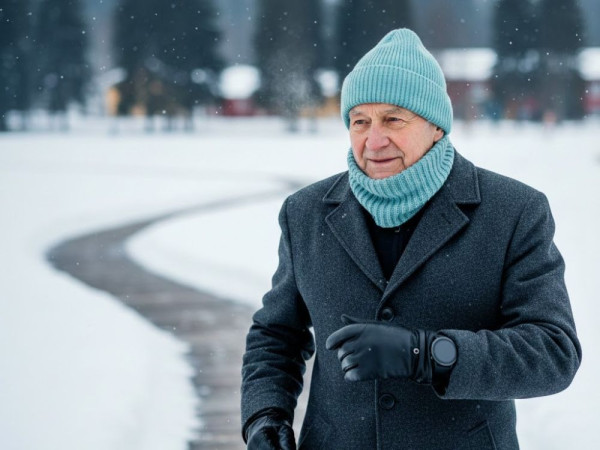
You head outside to shovel the driveway in just a light sweater when it's -20°C. Your daughter calls, panicked: "Dad, get inside right now, you'll freeze to death!" But you feel nothing. No shivers, no discomfort — just a strange sense of wellbeing while your body silently begins losing its heat. Some common medications taken by seniors literally block the brain's "thermostat," preventing you from feeling the cold. How do you know if your daily pills are putting you at risk without you even realizing it? And more importantly, how do you continue living independently while protecting your health?
Why Do Some Medications Suppress the Sensation of Cold?
Last winter, William had been taking quetiapine every evening to help him sleep since his anxiety diagnosis. One February morning, he went outside in his bathrobe and slippers to grab his newspaper. He ended up chatting with his neighbour for about ten minutes — without feeling the slightest discomfort despite the -18°C temperature. When he came back inside, his wife noticed his lips had turned bluish and his hands were completely white. William couldn't understand why she was so alarmed: he hadn't felt cold at all.
What William was experiencing was directly linked to his medication. Antipsychotics like quetiapine and olanzapine, certain antidepressants such as mirtazapine and amitriptyline, and sleep aids like zolpidem can block the brain's temperature regulation mechanism. As a result, the person no longer receives the usual warning signals — shivers, goosebumps, discomfort. They stay outside too long or don't dress warmly enough, which can lead to hypothermia without ever realizing it.
How Do You Recognize the Signs When You Can No Longer Feel the Danger?
This year, William had learned to compensate for what his body was no longer telling him. He now checked the thermometer before going outside and dressed according to the displayed temperature — not according to how he felt. His wife had placed a timer near the door: maximum 5 minutes outside at -15°C or below, no matter how fine he felt. His children, who lived far away, worried constantly about him being alone at home on certain days, afraid he might go out without adequate protection.
This loss of perception had become his new normal, and adapting to it was essential. Hypothermia can set in insidiously: mental confusion, increasing clumsiness, slowed movements. By the time these symptoms appear, the person often no longer has the judgment needed to recognize the danger and get back inside. Living alone with this condition demands constant vigilance — even from the most careful seniors.
Can You Maintain Your Independence Despite These Invisible Risks?
Going forward, William would continue taking the medications essential to his mental health and living in his home just as he always had. The difference now? A small device on his wrist that watched over him even when his own body couldn't. If he ever slipped on the ice after staying outside too long without realizing it, or developed symptoms of hypothermia and stopped moving, help would arrive quickly. His children slept better at night — and he kept his freedom.
SecurMEDIC™ understands that some medications essential to your health create invisible vulnerabilities. The SmartSAFE PLUS™ acts as a silent sentinel: automatic fall detection if you slip after spending too long in the cold, an SOS button accessible even with numb hands, precise GPS location for rapid response, and 24/7 assistance watching over you. Because your medications help you live better — and SecurMEDIC helps you live safely.